Winter Flood Peak
High23°C
Rain0mm
Angolan floods arrive, channels are full. Peak time for Mokoro tours.
On-the-ground safari coordination without agency middlemen.
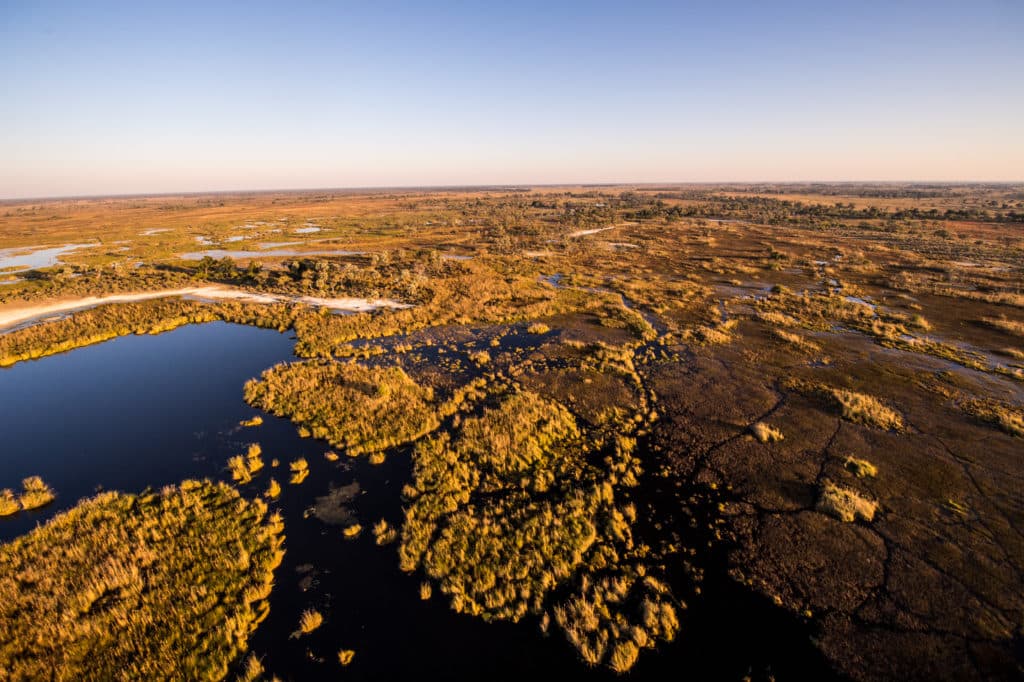
Witness Angola's floodwaters breathing new life into dry channels, transforming the delta into an aquatic wonderland.
Our operations desk in Victoria Falls handles transfers, permits and border crossings into Okavango Delta.
Talk to the deskAverage daytime highs and monthly rainfall, so you can match the season to what you want to see.
Angolan floods arrive, channels are full. Peak time for Mokoro tours.
Extreme dry heat, wildlife groups around remaining deep delta channels.
Lush pastures, nesting bird migrations, summer rain storms.
Golden plains, waters start filtering in from the northern Panhandle.
The landmarks and experiences that define Okavango Delta.
Book them on their own or fold them into a tailored itinerary.
The mokoro, a traditional dugout canoe now usually made from fibreglass, is the signature way to experience the Okavango Delta. After an early pickup in Maun you transfer by road and boat to a community mokoro station, where a local poler stands at the stern and guides you silently through papyrus-lined channels and open lagoons using a long wooden pole. At water level you notice everything: painted reed frogs clinging to reeds, waterlilies opening in the sun, kingfishers and jacanas, and the occasional hippo or elephant at a respectful distance. Midway through the day you step onto an island for a guided walk with your poler, learning to read tracks and the uses of plants, before a picnic lunch in the shade. It's peaceful, deeply local and supports the communities who live on the edge of the Delta.
Seeing the Okavango from the air is the only way to grasp its true scale. Lifting off from Maun in a helicopter with the doors removed, you fly low over the Delta's braided channels, papyrus swamps and palm-fringed islands, with nothing between you and the view. From above, the patterns of the floodplains reveal themselves along with the wildlife that depends on them: elephant herds wading between islands, pods of hippo in the lagoons, buffalo, giraffe and red lechwe splashing across the shallows. The doors-off setup makes it outstanding for photography, and your pilot will position the aircraft for the best angles and light. It's a short activity that easily fits into a day in Maun and gives context to everything you'll see on the ground or water.
Moremi Game Reserve covers the eastern side of the Okavango Delta and is one of the most wildlife-rich reserves in Africa, where dry woodland and permanent water meet. This full-day game drive leaves Maun before sunrise in an open 4x4, entering the reserve at South Gate and exploring the floodplains, mopane woodland and lagoon edges around areas such as Xakanaxa and Third Bridge depending on conditions. Moremi is especially known for predators: lion prides, leopard, cheetah and one of Africa's healthiest populations of African wild dog. You'll also see large herds of elephant and buffalo, giraffe, zebra, red lechwe, hippo and over 500 bird species. Lunch is taken at a scenic spot inside the reserve so you can maximise your time with the wildlife before the drive back to Maun.
For a deeper Delta experience, spend a night camping on a remote island in the middle of the Okavango. You transfer from Maun to a community mokoro station and are poled for a couple of hours deep into the channels to a wild campsite set up by your guides. Afternoons and early mornings are spent on guided walks across the island and floodplains looking for elephant, zebra, wildebeest and antelope, while sunset is enjoyed from the mokoro on a quiet lagoon. Evenings are around the campfire with a cooked dinner and the sounds of hippos, frogs and the occasional lion in the distance. It's simple, authentic, participation-style camping, and the closest you can get to the Delta's rhythm without a fly-in lodge budget.
Properties we have stayed at and trust, chosen for their location, guiding and hosting.
Semowi Nature Camp is a peaceful owner-run retreat on the banks of the Gomoti River that suits couples and families heading into the Okavango Delta. It sits north of Shorobe and around an hour from Maun. With four en-suite safari tents and three private campsites, the setting remains quiet. You can sit on your private deck to watch the water while listening to resident hippos, frogs and birdlife. Morgan grew up guiding across Botswana and Séverine comes from Switzerland. Together they run the camp and ensure you feel welcome from the first email. They serve meals cooked on site, including breakfasts on the riverside deck with homemade breads and jams. You can request vegetarian dishes in advance and end your day with a drink at the bar overlooking the water. You can fill your days by gliding along the water in a traditional mokoro or taking a sunset boat cruise on the Gomoti. The camp offers visits to a nearby village and sits a short drive from the orphaned elephants at Elephant Havens. It serves as a comfortable place to catch your breath on the edge of the Delta before you travel onward to Moremi or Khwai. Every safari tent includes either a king or twin beds along with a private bathroom with a hot shower, plus an outdoor shower. You get a tea and coffee station, solar power for charging and daily housekeeping to keep things tidy. If you prefer to pitch your own tent, the private campsites come with dedicated braai areas, warm showers and a shared ablution block, and campers are welcome to eat at the restaurant or visit the bar.
Check availabilitySediba Sa Rona is an ultra-luxury tented camp sitting right on the banks of the Khwai River in Botswana, and it suits couples or families looking for a premium safari experience. Meaning "Our Source of Water", the property was completely rebuilt from the original Khwai River Lodge and reopened in March 2026. It operates as a partnership between Desert & Delta Safaris and the local Khwai community, which gives guests access to a wildlife-rich corner of the Okavango Delta. Because the camp sits on permanent land within the private Khwai Community Concession (NG19) alongside the Moremi Game Reserve, the focus here is on land-based game viewing. Guests can expect thrilling activities like off-road tracking and night drives, which allow you to get close to the resident Big Five and the area's dense predator populations. When you return to camp, you will find 15 tented suites that provide plenty of comfort. Each suite includes a private viewing deck overlooking the floodplains, an en-suite bathroom, air conditioning, heating, and a mini-bar. The main lodge provides peaceful spaces to relax between drives, featuring elegant lounges, a quiet spa, a swimming pool, and an open-air boma where guests gather for evening fires. While the primary activity is tracking animals like leopards by vehicle, you can also join guided walks or take a seasonal mokoro canoe trip when water levels permit. If you would like to know more about pairing this stay with other stops in Botswana, just ask us and we will help you plan the details.
Check availabilityDiscover the heart of the Okavango Delta at Moremi Crossing, a classic tented eco-camp offering an authentic and serene water-based safari experience. Situated on the palm-fringed Ntswi Island within the Xaxaba Concession (NG 27B), this 100% solar-powered camp overlooks the wildlife-rich floodplains of the Boro River and the southern tip of Chief's Island. Its design prioritizes immersion in nature, with a magnificent, open-air main lodge built on a tiered wooden deck, offering uninterrupted panoramic views from its lounge, bar, and dining areas. The camp’s soul lies in its quiet connection to the wild. Instead of the rumble of engines, you'll hear the rustle of reeds and the calls of birds as you glide through the channels on a traditional mokoro or motorboat. The experience is intimate and thrillingly real, especially when resident elephants wander directly through the unfenced camp to feast on palm nuts. Moremi Crossing provides a perfect blend of rustic simplicity and essential comforts, making it an exceptional-value gateway to the pristine wilderness of the Delta. The best time to visit for classic mokoro and boat safaris is during the high-water season (May to September), while the low-water or green season (October to April) offers more game drives, lush landscapes, newborn animals, and excellent birding.
Check availabilityAtzaró Okavango Camp introduces a new paradigm of safari luxury, blending the restorative wellness ethos of the Atzaró Group with the untamed wilderness of the Okavango Delta. Operated in collaboration with African Bush Camps, this eco-friendly camp is powered entirely by solar energy and is situated in a game-rich private concession bordering the Moremi Game Reserve. Accessible only by a scenic helicopter flight, the camp ensures an immediate immersion into the remote beauty of the Delta, where guests can experience year-round wildlife viewing including elephants, lions, buffalo, and hippos. The camp's accommodation consists of eight luxury suites, one luxury family suite, and one luxury villa, all resting on elevated decks overlooking a permanent lagoon. Each private haven is complete with its own plunge pool, outdoor shower and bath, and interiors that beautifully blend European elegance with African craftsmanship using natural wood, leather, and canvas. Beyond the private suites, the wellness-focused property features a twenty-meter lap pool, a state-of-the-art gym, a dedicated yoga deck, and a holistic spa. Guests can enjoy exceptional dining with a resident sommelier and mixologist, alongside classic safari activities such as game drives, night drives, walking safaris, and traditional mokoro excursions.
Check availabilityTell us your dates and travel style. Our team in Victoria Falls will put together a route, camps and transfers that work for you.
Fly-in-only access, low guest-to-land ratios (camps keep numbers small to preserve wilderness), and remote supplying costs all factor in. It delivers exclusive, low-density game viewing.
Three nights minimum is recommended for a single camp. Many combine two camps in different concessions (e.g. a "wet" water camp and a "dry" land camp) for 5-6 nights.
Yes, with the right camp. Some properties feature family suites and junior ranger programming. Minimum age policies apply, commonly starting at 6-12 years.
Light aircraft impose strict limits, typically 20kg (44 lbs) in soft-sided bags per person including hand luggage. Hard suitcases are not permitted in cargo bays.
Okavango Delta concessions follow a high-value, low-volume tourism model, keeping camps small (typically 12-16 beds) to protect the fragile wetland. Zambezi Thunder strictly partners with operators dedicated to community empowerment, low-impact carbon footprinting, and long-term wildlife protection.